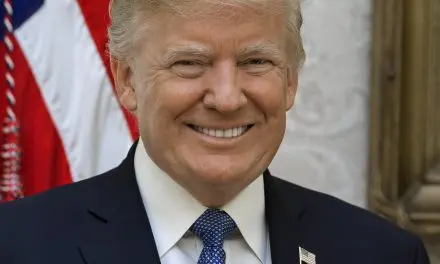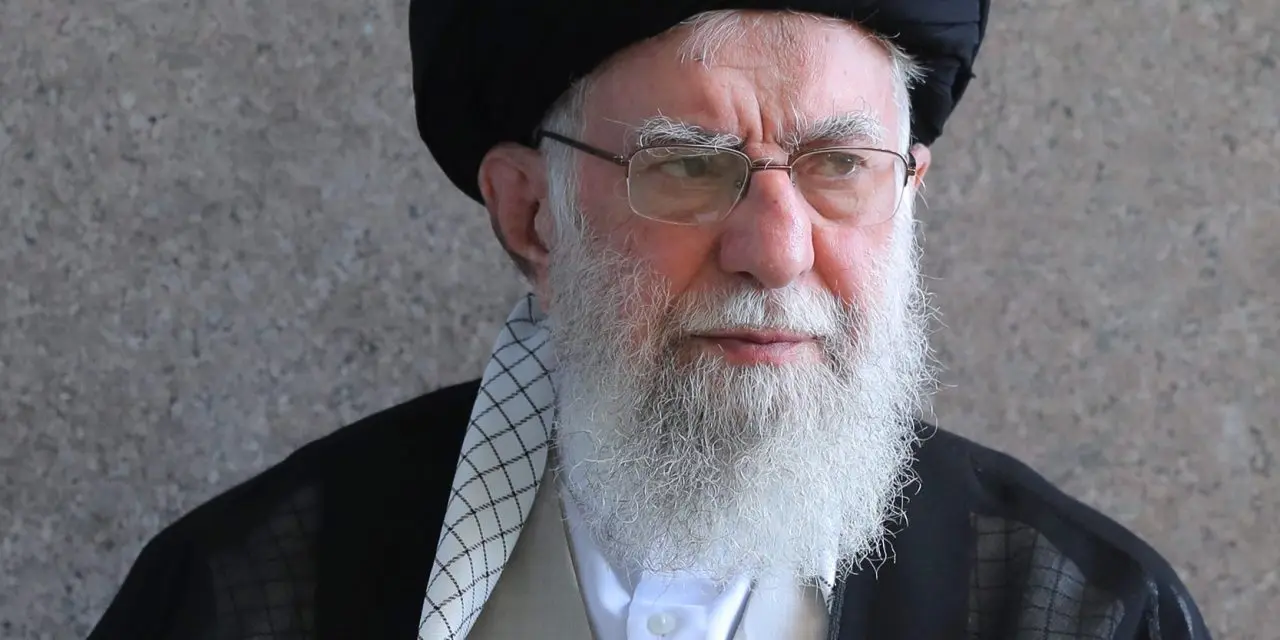
Ali Khamenei was a central figure in Iran’s political and religious power structure from the late 20th century until his death in 2026.
Date of birth and death
- Birth: April 19, 1939 (his birth was officially registered on July 17, 1939, a discrepancy common in Iranian civil records of the era).
- Death: February 28, 2026, in Tehran, killed in an Israeli-American airstrike during the 2025–2026 conflict between Iran, Israel, and the United States.
Years of life
86 years (1939–2026).
Place of birth and death
- Place of birth: Mashhad, Razavi Khorasan province, Iran.
- Place of death: Tehran, Iran. He was buried at the Imam Reza shrine in his hometown, Mashhad.
Parents and social class
- Father: Seyyed Javad Khamenei, a Shia cleric of ethnic Azerbaijani origin born in Najaf (Iraq), a respected traditional scholar known for his austerity.
- Mother: Khadijeh Mirdamadi, of Persian origin, daughter of a respected cleric from Mashhad.
- Social class: The family belonged to the traditional clerical class, of modest income. Despite their high religious status through their sayyid lineage (descent from the Prophet Muhammad through his daughter Fatima), they lived in financial austerity.
Siblings
He was the second of eight siblings:
- Mohammad Khamenei: cleric and academic.
- Hadi Khamenei: cleric of reformist leanings, politically influential and, on several occasions, critical of the regime’s hardline stance.
- Badri Khamenei (sister): married to the dissident cleric Ali Tehrani; she also publicly criticized her brother’s government in the mid-1980s.
- He had other siblings who kept a lower public profile.
Spouse and social class
He married Mansoureh Khojasteh Bagherzadeh in 1964, who came from a religious family with a comfortable merchant background in Mashhad. She maintained an extremely low public profile throughout. She was injured in the same strike that killed her husband and died days later, on March 2, 2026.
Children
Six children, four sons and two daughters:
- Mojtaba Khamenei: the most politically influential, a cleric considered even more hardline than his father; he was elected Iran’s third Supreme Leader on March 8, 2026, though he has remained out of public view since his appointment.
- Mostafa Khamenei: a cleric educated at the Qom Seminary.
- Masoud and Meysam Khamenei.
- Boshra and Hoda Khamenei (daughters).
Famous relatives
- Mojtaba Khamenei (son): his successor as Supreme Leader.
- Hadi Khamenei (brother): reformist cleric and politician.
- Ali Tehrani (brother-in-law): dissident cleric openly opposed to the theocratic regime, temporarily exiled to Iraq in the 1980s.
- Badri Khamenei (sister): public critic of her brother’s government.
Education
- Began his religious studies at age four, learning the Quran at a maktab in Mashhad.
- Studied Islamic jurisprudence (fiqh), theology, and Arabic literature at the Islamic Seminary of Mashhad, under teachers such as Sheikh Hashem Qazvini and Ayatollah Milani.
- Brief stay at the Najaf Seminary (Iraq) in 1957.
- Advanced jurisprudence studies (ijtihad) at the Qom Seminary between 1958 and 1964, with mentors including the Grand Ayatollah Ruhollah Khomeini, Allameh Tabataba’i, and Morteza Motahhari. He attained the rank of Ayatollah.
Work experience
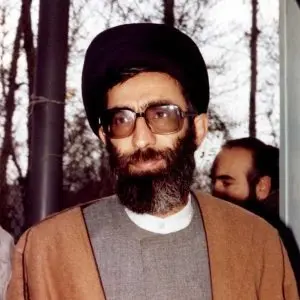
- 1960–1978: theological teacher, preacher, and clandestine political activist opposing Shah Mohammad Reza Pahlavi; arrested several times and subjected to internal exile.
- 1979: member of the Islamic Revolutionary Council.
- 1979–1980: deputy minister of defense.
- 1980–1981: member of parliament (Majlis) for Tehran.
- 1981–1989: President of the Islamic Republic of Iran for two terms, the first cleric to hold the office; led the country on both civilian and military fronts during the Iran-Iraq War.
- 1989–2026: Supreme Leader of Iran, head of state and commander-in-chief of the armed forces, succeeding Khomeini. He also served as Tehran’s Friday prayer imam from 1980 onward.
Languages spoken
- Persian: native language.
- Arabic: full fluency, used in theological sermons, writings, and diplomatic interactions.
- Azerbaijani: through his paternal ethnic heritage.
- English: basic functional comprehension.
Where he lived throughout his life
- Mashhad: his hometown, where he spent his childhood and part of his youth as an opponent of the Shah.
- Najaf (Iraq): a brief stay in 1957.
- Qom: residence during his advanced theological training (1958–1964).
- Iranshahr and Birjand: places of internal exile imposed by the Shah’s secret police (SAVAK) in the 1970s.
- Tehran: his primary residence from the 1979 Islamic Revolution until his death in 2026.
Political ideology Ali Khamenei
- Velayat-e Faqih (Guardianship of the Islamic Jurist): the central principle of his rule, under which a religious jurist holds supreme political and spiritual leadership of the country.
- Anti-imperialism and anti-Americanism: systematic opposition to U.S. hegemony in the Middle East.
- Anti-Zionism: explicit rejection of Israel’s existence, which he described as an “occupying, illegitimate regime.”
- Resistance Economy: doctrine of national self-sufficiency against international sanctions.
- Islamic social conservatism: strict enforcement of moral laws and dress codes based on Twelver Shia Islam.
Famous quotes and sayings
Among the ideas most attributed to him is his repeated description of Israel as a “cancer” that had to be removed from the region, his characterization of the United States as the “Great Satan” responsible for regional instability, and his portrayal of the Islamic Revolution as a borderless movement for Islamic justice. He also issued a fatwa declaring nuclear weapons contrary to Islam. On a more personal note, he described himself on social media as an avid reader of novels, naming Victor Hugo’s Les Misérables and Steinbeck’s The Grapes of Wrath among his favorites.
Notable events he is remembered for
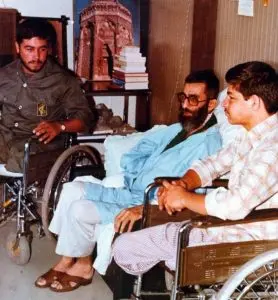
- Survivor of a 1981 assassination attempt (a bomb hidden in a tape recorder during a press conference at Abuzar Mosque in Tehran), which left his right arm partially paralyzed.
- Consolidation of the so-called “Axis of Resistance”: a regional network of allies (Hezbollah in Lebanon, militias in Iraq, the Houthis in Yemen, the Syrian government).
- Decisive push for Iran’s nuclear program as a matter of strategic sovereignty — the ultimate root of the conflict that ended his life.
- Being the longest-serving head of state in the contemporary Middle East.
- Approval of the 2015 nuclear agreement (JCPOA) despite his public distrust of the West.
- His death in 2026 in an airstrike, which abruptly ended 37 years of leadership.
Controversial events he is remembered for
- His rapid elevation to Supreme Leader in 1989 without then holding the traditional theological rank of Grand Ayatollah (marja’), which required a prior constitutional amendment.
- The crackdown on the Green Movement in 2009, following elections widely disputed as fraudulent, with open backing of Mahmoud Ahmadinejad’s re-election.
- The suppression of waves of popular protests in 2017, 2019, and 2022 (the latter following the death of Mahsa Amini in police custody).
- The brutal crackdown on the 2026 protests, with thousands killed and tens of thousands detained, along with internet blackouts.
- Systematic restriction of civil liberties: press censorship, persecution of dissidents, and harsh penalties against human rights activism.
- Statements questioning the Holocaust and repeated calls for Israel’s elimination.
Views of his critics
- Opposition and reformists inside Iran: described him as an autocratic ruler who systematically suppressed the Iranian people’s democratic aspirations, impoverished the national economy through diplomatic isolation, and repeatedly violated human rights.
- The international community (U.S., EU, Israel): viewed him as a state sponsor of regional terrorism and a threat to Middle East stability, as well as the architect of a uranium enrichment program with opaque purposes.
- Traditional clerics in Qom and Najaf: independent theological circles criticized the excessive politicization of faith and argued that his application of velayat-e faqih distorted traditional Shia clerical practice.
- Human rights organizations identified him as ultimately responsible for state violence against protesters in 2009, 2022, and 2026, with an estimated death toll in the thousands during the last wave of repression.
Views of his supporters
- Loyalist sectors and institutions of the Islamic Republic: revered him as Wali Amr al-Muslimeen (Guardian of the Muslims) and guarantor of Iran’s stability and independence against foreign intervention.
- The armed forces and the Revolutionary Guard (IRGC): regarded him as a strategist who turned Iran into a self-sufficient regional military power in missile and drone technology.
- Conservative popular base: valued his austere personal life, his doctrinal firmness against the West, and his role as a defender of traditional Islamic values.
- Analysts such as Iran expert Walter Posch also highlighted his side as a “political realist,” capable of accepting negotiations — such as the 2015 nuclear deal — when he judged it necessary for the country’s economic survival, without abandoning the revolutionary ideology.
Appendix: the “Resistance Economy” (Eghtesad-e Moghavamati)
An economic doctrine formulated by Khamenei starting in 2011 and formalized through national directives in 2014, in response to the tightening of international sanctions over Iran’s nuclear program. Its goal was not to fully isolate Iran from international trade, but to restructure the economy to make it resistant to external pressure.
Core pillars:
- Reducing dependence on oil, through diversification into petrochemicals, mining, agriculture, and manufacturing.
- Import substitution and promotion of domestic production.
- Development of a knowledge-based economy (tech companies, nanotechnology, pharmaceuticals, cybersecurity).
- Reorienting foreign trade toward Asia (China, Russia) and regional neighbors, bypassing the dollar-dominated financial system.
- State austerity and anti-corruption, anti-speculation measures.
Achievements cited by supporters: partial immunity to sanctions, growth in non-oil sectors (local pharmaceutical production came to cover over 90% of domestic consumption), near-total military self-sufficiency in missiles and drones, and integration into blocs such as the Shanghai Cooperation Organisation and BRICS.
Criticisms from detractors: high inflation and sustained devaluation of the rial, inefficiency in protected industries lacking foreign competition, concentration of economic power in the hands of the Revolutionary Guard (through conglomerates such as Khatam al-Anbiya), and a brain drain of skilled professionals.
For his supporters, the doctrine secured national sovereignty against Washington; for critics, it functioned more as a regime “survival mechanism” achieved at the cost of structural stagnation and declining social welfare.